
Hispanic Heritage Month: Housing Activists Who Helped Shape New York City
This Hispanic Heritage Month, OneKey® MLS has highlighted the storied history of Puerto Rican New Yorkers whose advocacy helped shape the homes, neighborhoods, and communities we know today. Their story is an important part of New York City’s housing history, and a reminder that the places we call home are shaped by the people who live, organize, and advocate within them.
As the Puerto Rican population grew across New York City in the mid-20th century, residents faced overcrowding, poor housing conditions, displacement, and disinvestment. In response, a generation of organizers, activists and community leaders fought for better housing, greater investment, and a stronger voice for their communities, connecting housing advocacy to the broader fight for civil rights and community empowerment.
1. Frank Espada: Organizing Through Advocacy
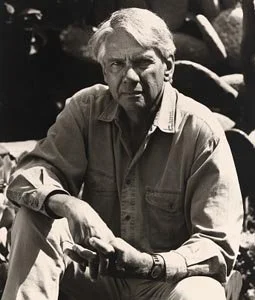
Photographer and activist Frank Espada was deeply involved in Puerto Rican community organizing in New York during the 1960s. In 1963, he founded East New York Action, one of the city's early organizations to use rent strikes as a political tool.
Espada organized around housing conditions, rent increases, welfare rights and other issues affecting Puerto Rican and Black communities in Brooklyn and beyond. His activism went hand in hand with his photography, which documented the everyday experiences and struggles of Puerto Rican communities. Through both his organizing and photography, Espada believed communities deserved a voice in how they were represented and how they lived.
(Learn more about Frank Espada here. Photo courtesy of the Smithsonian Institution.)
2. Carmen E. Arroyo: Building Housing in the South Bronx
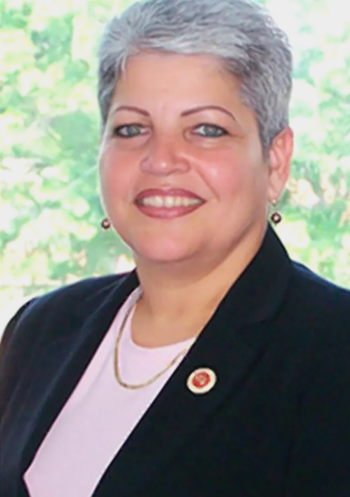
Carmen E. Arroyo moved from Puerto Rico to New York in 1964 and settled in the Bronx. After experiencing the challenges faced by working families firsthand, she organized welfare mothers in her community and founded the South Bronx Action Group in 1966.
The organization expanded tenant advocacy beyond housing, connecting residents with employment, healthcare, and adult education services. Arroyo later became executive director of the South Bronx Community Corporation, where she helped develop homes for South Bronx families and 194 units of housing for seniors.
Her work eventually led her into public service: In 1994, Arroyo became the first Puerto Rican woman elected to the New York State Assembly, where she served for 26 years.
(Learn more about Carmen Arroyo here. Photo courtesy of Bronx Times.)
3. Ted Vélez: Fighting for East Harlem Tenants
In East Harlem, Isidro “Ted” Vélez became a leading voice for Puerto Rican tenants. In 1962, Vélez and Yolanda Sánchez founded the East Harlem Tenants Council, organizing residents around housing conditions, building safety and tenants’ rights.
The organization grew into a powerful community institution. In the early 1970s, Vélez and Sánchez helped secure $42 million for a major housing project that became Taino Towers, ultimately bringing hundreds of affordable homes to East Harlem or “El Barrio.”
(Learn more about Ted Vélez here. Photo courtesy of East Harlem Tenants Council)
4. The Real Great Society: Designing Communities From Within
Housing activism also took shape through architecture and urban planning. In the 1960s, Puerto Rican architects Carlos Quintanilla, Luis Aponte-Pares and Lee Borrero helped establish the Real Great Society, a grassroots organization connected to East Harlem.
The group challenged traditional approaches to urban planning by putting community members at the center of conversations about housing and neighborhood development. Its Urban Planning Studio trained young Puerto Ricans in architecture and planning, giving residents the tools to help design solutions for their own communities.
Their work helped establish an early model of community-centered planning, demonstrating that the people who live in a neighborhood should have a voice in determining how it grows and changes.
(Learn more about The Real Great Society here.)
A Legacy of Community
From rent strikes and tenant councils to housing development and community-centered planning, Puerto Rican activists helped New Yorkers fight for better housing and a greater say in their neighborhoods. Their legacy continues in communities like East Harlem and the South Bronx, where residents still organize around affordable housing, neighborhood investment and community ownership.
Ultimately, the history of Puerto Rican housing activism is about more than buildings or architecture. It’s about the people who fought to protect their communities and ensure residents had a voice in shaping New York City’s future.